

Introduction
I usually write about business and law. In this article I address business from a broader perspective. Following discussions with colleagues, there is general agreement that the Zimbabwean economy is improving in several respects and may continue growing in line with the national strategies being pursued by Government.
The economy may not be recovering as quickly as may be wished for, but there is meaningful progress that should be recognised and appreciated.
Signs of Improvement
The exchange rate between the gold-backed ZiG and the United States dollar has remained relatively stable. Reserve Bank Governor Dr John Mushayavanhu made a commitment in this regard, although many people may not have believed him at the time. In my view, Government and the Reserve Bank have made progress in delivering on that commitment. Sustaining this stability will require collective responsibility from Government, Reserve Bank, businesses and the public.
Inflation has also been contained. Annual inflation averaged 4.2% during the first half of 2026, marking the first period of sustained single-digit inflation in approximately three decades. Inflation subsequently declined to 2.9% in August 2026. Low and stable inflation improves confidence and makes medium- and long-term planning easier, provided the stability continues.
Zimbabwe recorded economic growth of 8.3% in 2025, and the International Monetary Fund projects growth of approximately 5% in 2026. Although the benefits may not yet be evenly distributed, these figures indicate that the economy is expanding.
Mining remains a key economic pillar. Its performance has been supported by high international gold prices and increased production volumes. Small-scale gold miners are making a significant contribution, while lithium exports are also increasing. Government policies requiring mineral beneficiation before export could increase domestic value addition, employment and export earnings.
There has also been progress in the ease of doing business. Government has streamlined compliance requirements, reduced certain fees, digitised licensing frameworks and sought to reduce red tape. These measures are intended to encourage investment and business activity.
Road rehabilitation and the construction of interchanges are improving connectivity and easing traffic congestion. Some roads, including the Bulawayo–Victoria Falls road, still require urgent attention, but ongoing work and future plans should be viewed positively.
In Harare, I have observed considerable construction activity by individuals and organisations. This provides hope and confidence that the economy is moving in a positive direction. There are business opportunities associated with this.
The Mutapa Investment Fund is an important player. Under the leadership of former Reserve Bank Governor Dr John P. Mangudya, the Fund has the potential to influence economic development significantly. The results will be seen soon.
The coming on board of Geo Pomona has also improved waste collection and management in Harare.
Areas Requiring Attention
We have not yet arrived—far from it—but the direction is encouraging. Zimbabwe must continue with reforms and maintain the momentum.
Important areas requiring attention include healthcare delivery, water provision and waste management. While major roads are being rehabilitated, greater attention must also be given to urban and feeder roads, which directly affect communities and businesses.
Why the Mindset Must Shift
It is easy and convenient to remain trapped in the past. I sit, and have sat, on several company boards. In the past, some executives appeared to find it convenient to blame the economy for organisational difficulties. What will they say now and going forward?
For many years, businesspeople and managers understandably blamed economic instability for numerous problems. Currency volatility, inflation, shortages, high interest rates, unreliable infrastructure and policy uncertainty genuinely affected planning and investment. However, a habit developed in which almost every setback was attributed to the economy, even when the real causes included weak management, poor customer service, inadequate financial controls, excessive costs, limited innovation or failure to adapt.
An organisation cannot control the exchange rate, but it can improve cash-flow forecasting. It cannot control global commodity prices, but it can strengthen procurement, productivity and customer relationships.
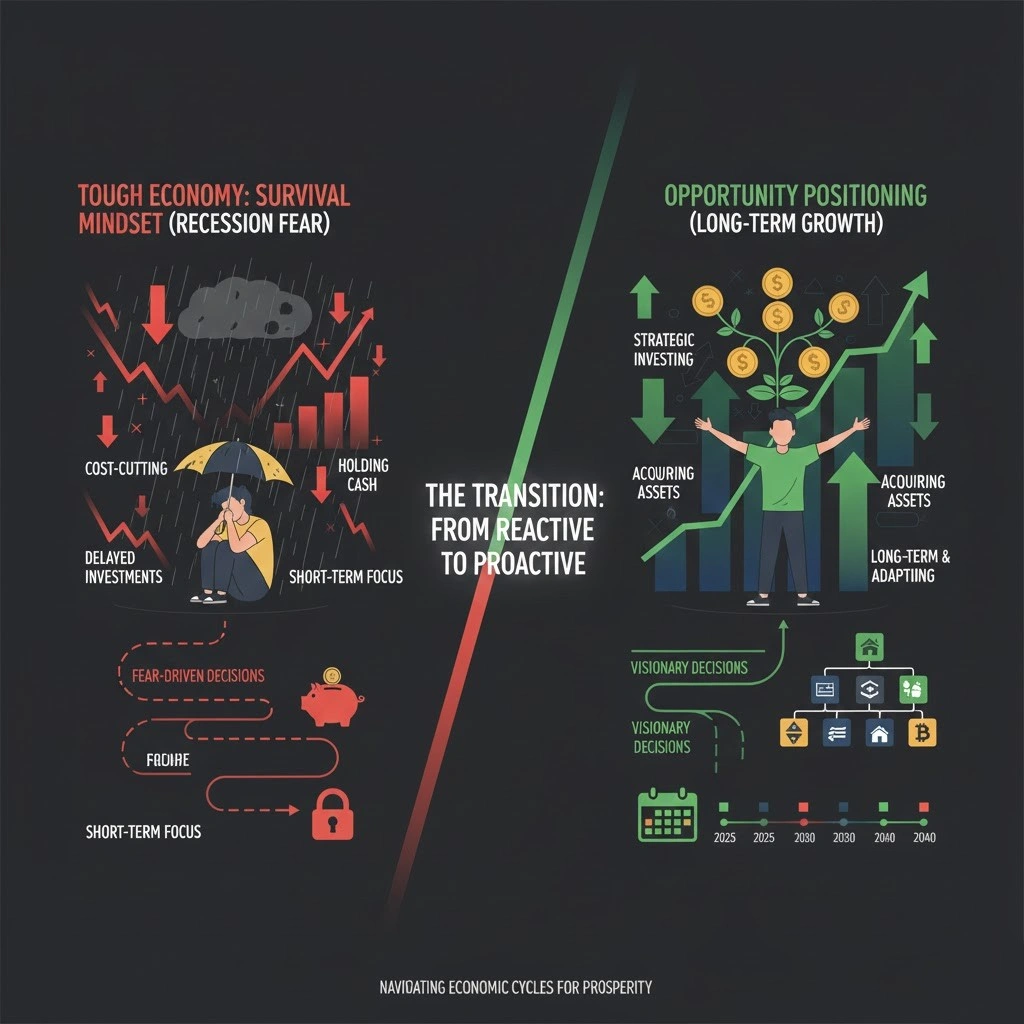
The emerging environment requires leaders to move from a survival mindset to a performance mindset. Instead of asking, “How do we endure this difficulty?” leaders should ask, “Given the conditions we face, how can we serve customers better, reduce waste, develop new products and allocate resources more intelligently?”
Managers must distinguish between external constraints and internal weaknesses. A company that loses customers should examine its pricing, quality, delivery times and responsiveness before blaming the economy. A business that repeatedly experiences cash shortages should review its working-capital cycle, credit policy, inventory controls and debt-collection practices.
Businesses should also identify opportunities arising from national development strategies, infrastructure projects, mining, agriculture, construction and digitisation. Where appropriate, they should use technology such as artificial intelligence (AI) to improve efficiency, decision-making, customer service and competitiveness.
Conclusion
Zimbabwe’s economy is showing encouraging signs of improvement, and these developments should be recognised. However, improved economic conditions must be matched by better organisational thinking and management practice.
Business leaders should not remain trapped in a past defined by crisis and uncertainty. They must accept responsibility for what lies within their control, identify emerging opportunities and build more productive, innovative and resilient organisations.
The economy is improving. Our mindsets must improve with it.
Disclaimer
This simplified article is for general information purposes only and does not constitute the writer’s professional advice.Godknows (GK) Hofisi, LLB(UNISA), B.Acc(UZ), Hons B.Compt (UNISA), CA(Z), ACCA (Business Valuations) MBA (EBS, Heriot- Watt, UK) is the Managing Partner of Hofisi & Partners Commercial Attorneys, chartered accountant, insolvency practitioner, commercial arbitrator, registered tax accountant and advises on deals and transactions. He has extensive experience from industry and commerce and is a former World Bank staffer in the Resource Management Unit. He sits on the Board of the Council of Estate Administrators in Zimbabwe. He writes in his personal capacity. He can be contacted on +263 772 246 900 or ghofisi@hofisilaw.com or gohofisi@gmail.com. Visit www//:hofisilaw.com for more articles.



